- Muni Fi CFO Insights
- Posts
- First CFO Gig Pre-Interview Prep

Preparation: “Give me six hours to chop down a tree and I will spend the first four sharpening the axe.” – Abe Lincoln
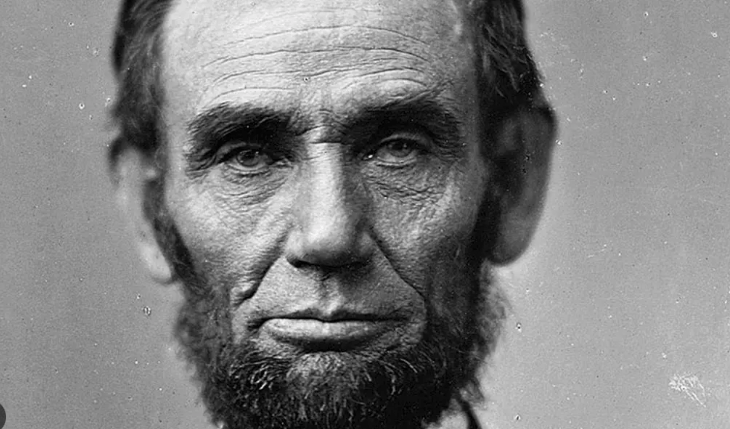
When preparing for a CFO role, know yourself and be ready to articulate your value. There is nothing worse than interviewing individuals that are ill-prepared. Usually when this occurs there is no desire on behalf of those interviewing to continue, they are trying to move through the process and get ready for the next candidate. Here’s some tips below to get your ready for that first step . . .
1. Resume – Your Foot in the Door
Your resume is your first chance to impress, and it should clearly showcase your experience in finance, especially in budgeting or accounting. These are key areas, often prioritized by HR or non-financial staff. Use resume generators to ensure it’s polished and professional. Highlight any public sector finance experience, as it’s highly valued in these roles.
2. Know Yourself
Understanding your strengths and weaknesses is crucial for leadership roles. Reflect on your core values, past experiences, and what makes you a strong candidate for a CFO position. The classic interview question about your three strengths and weaknesses should be an easy one to answer. If not, spend time reflecting to ensure you can speak to these confidently.
Authenticity matters—interviewers can sense when candidates are genuine. Being self-aware will help you convey how you can lead and improve the organization.
3. Prepare Interview Answers
Anticipate the questions that will likely come up, and have thoughtful, detailed answers ready. Focus on your financial experience, leadership skills, and knowledge of public sector challenges. Preparation reduces nervousness and ensures you highlight your most relevant skills.
4. Ask Smart Questions
Don’t forget to ask your own questions. Not having any can make you seem unprepared or uninterested. Use this opportunity to learn about the organization, its financial health, and management culture.
5. Practice
Practice your responses with peers or record yourself to review your delivery. Watching yourself can reveal habits you didn’t notice and allow you to adjust your tone, body language, and clarity.
6. Dress Professionally
Make sure to dress appropriately for the role. For a CFO interview, a suit without a tie is typically a safe choice, but adapt as needed based on the organization’s culture.
7. Know the Organization
Familiarize yourself with the organization’s financial standing by reviewing the most recent budget, audit, and financial documents like EMMA filings or rating agency reports. These can reveal key challenges, opportunities, and management practices.
Pay close attention to the management letter and single audit if available—these often highlight internal control weaknesses or areas for improvement. This knowledge will help you speak to how you can address these issues.
8. Analyze Strategic Plans and Budget Documents
Look at the organization’s long-term plans and budget submissions. If they’ve won the GFOA budget award, it’s likely their financial challenges and strategic priorities are well-documented. For smaller organizations, you may need to sift through City Council minutes to get a sense of their challenges and goals.
9. Watch Council Meetings
City Council meetings can provide insights into the dynamics between leadership and staff. A dysfunctional or politically divided council might indicate deeper organizational challenges that could affect your success as CFO.
10. Leverage Industry Contacts
Before the interview, reach out to industry contacts who may know your potential boss. Understanding their management style and how they lead can help you determine if the position is the right fit for you. Fit is key—you’ll be working closely with the chief executive, so it’s important to align on leadership style and organizational vision.
Preparing for a CFO interview requires thorough self-reflection, research, and practice. By sharpening your understanding of your own strengths, researching the organization inside and out, and anticipating key interview questions, you position yourself for success. Remember, it’s not just about securing the role but finding the right fit where you can thrive as a leader. With careful preparation, you’ll not only impress in the interview but also ensure that the role aligns with your values, skills, and long-term career goals. If you don’t get it on the first try, like Honest Abe, keep trying and don’t give up!
Reply